Boeing Mishaps Indicate Reputation Rehab Needed for Years to Come
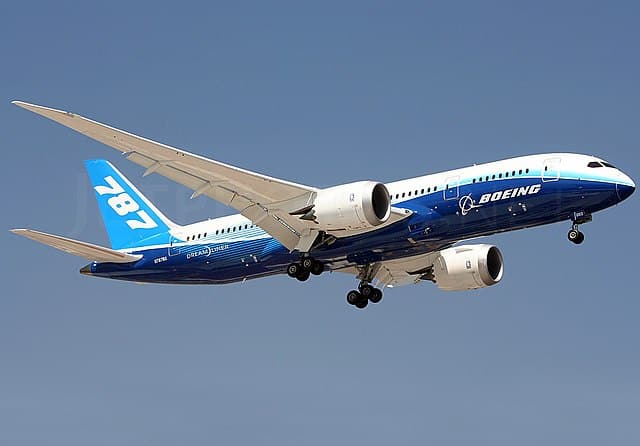
The terror is hard to imagine: a refrigerator-sized “door plug” blows open at 16,000 feet, exposing Alaska Airline passengers to howling winds, sucking one boy’s shirt off and ripping cell phones out of people’s hands.
Boeing, the maker of that 737 Max 9 jet in which this episode unfolded on Friday, followed a textbook crisis communications response. Boeing CEO Dave Calhoun told his staff the company will acknowledge its mistake, operate with 100% transparency and cooperate fully with investigators. This event “can never happen again,” Calhoun said. Days earlier, the company released a statement identifying safety as its top priority. Boeing expressed deep regret, and said it fully supported the FAA’s decision to require immediate inspection of the planes with the same configuration as the one that suffered the mishap.
But this isn’t the first time the 737 Max line of jets has come under scrutiny over safety issues. The 737 Max 8 experienced two fatal crashes — in 2018 and 2019. The issues in those crashes were unrelated to the door plug.
After those episodes Boeing released hundreds of internal messages that included highly critical comments about the development of the 737 Max. One of them said the plane was “designed by clowns who in turn are supervised by monkeys.”
From a communications perspective, these episodes point to the need for deep reputation rehabilitation for years to come.
Whenever a product is involved in a fatal episode, the need for the manufacturer to repair its reputation, and that of its product, increases significantly. When there are multiple fatal or near fatal catastrophes, the damage increases exponentially.
But before any company in such a situation can begin to rebuild its reputation – and the public’s trust — it has to first ensure the underlying problems have been addressed. Until then, communications efforts will not be effective.
More News & Insights